
What Came First – the Chicken or the Egg?
Did you know that the ancestor of today’s familiar domestic chicken was once part of one of the oldest and most fascinating animal lineages on the planet? Yes — chickens are actually relatives of dinosaurs. Genetic and anatomical studies confirm that all modern birds descended from theropod dinosaurs, the same group that included the legendary Tyrannosaurus rex. Fossil records from the Cretaceous period (around 66 million years ago) reveal that small, feathered dinosaurs like Archaeopteryx represented a transitional form between classic theropods and the earliest birds. The genome of the domestic chicken (Gallus gallus domesticus) also shows similarities in collagen and bone structure to T. rex — a finding supported by research from Harvard University and the Smithsonian Institution (Asara et al., Science, 2007). So, when you look at a chicken, you're actually looking at a modern, miniature “dinosaur” that survived a planetary catastrophe.
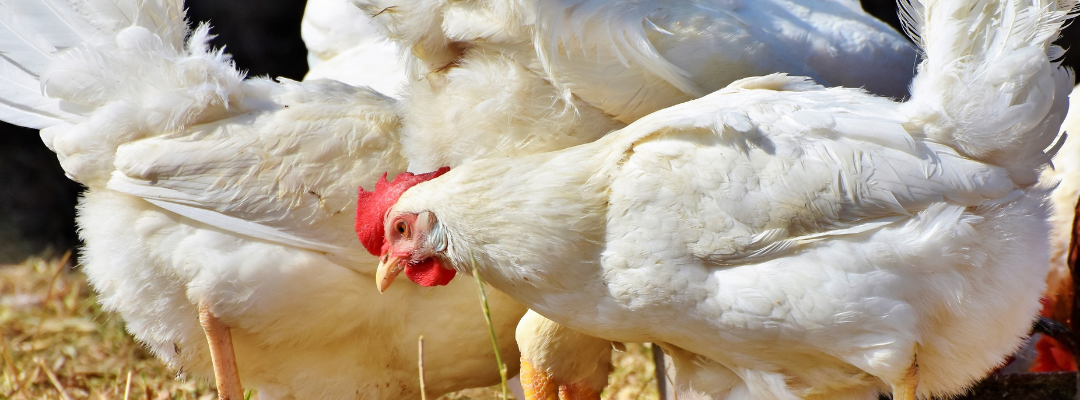
The wild ancestor of the domestic chicken is the Red Junglefowl (Gallus gallus). It originates from the tropical forests of India, Thailand, Myanmar, and Vietnam, where it lives in warm, humid environments rich in vegetation. It never had to endure winters, which is why modern chickens still lack natural cold resistance. It fed on seeds, insects, plant shoots, and fruits, and it roosted high in trees thanks to its excellent flying ability. Red Junglefowl were highly adaptable and could live at altitudes ranging from sea level to 1,800 meters. They inhabited rainforests, jungles, bamboo and mangrove forests, and often foraged along the edges of cultivated areas in search of food.
The first domesticated chickens appeared around 8,000 BCE. The oldest evidence comes from Southeast Asia, from where they spread through India and China toward Persia and Egypt. Chickens did not arrive in Europe until around 800 BCE, via trade and warfare. Interestingly, they were not originally raised for food. People used them in fights, religious rituals, and prophecy — especially the Romans and Greeks. Only much later did chickens cease to be viewed as “sacred animals” and become “food.”
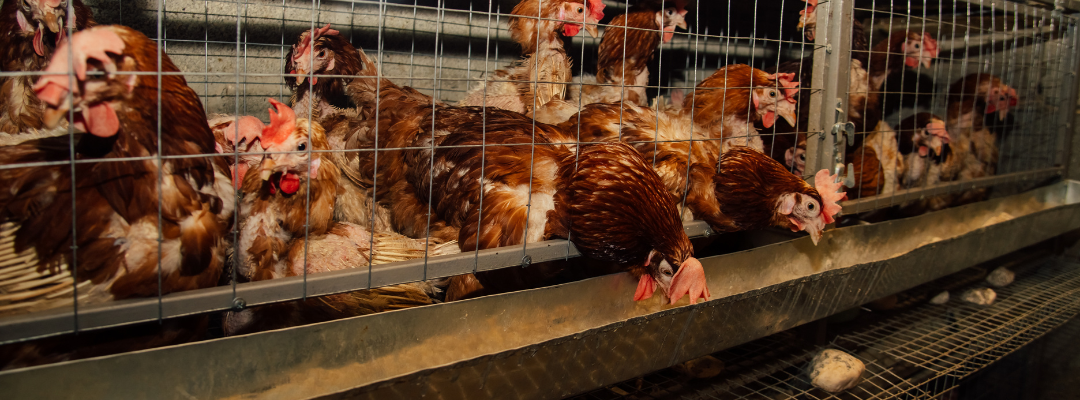
Through selective breeding, humans created chickens that today differ greatly from their wild ancestors: they fly poorly, lay eggs year-round (while wild chickens lay only 10–15 annually), and have lost many instincts, including predator avoidance. Most modern breeds — Leghorn, Sussex, Brahma, and many others — are the product of human-guided selection rather than nature. Many cannot even build a nest without human assistance.
Once, chickens roamed freely and ruled over some of the largest forested landscapes known to humankind. Today, they are reduced to egg-producing machines, confined in cramped and inadequate spaces — all to satisfy humanity’s need to maintain the illusion of being at the top of the pyramid.